The search for a wedding photographer usually begins with a lot of external noise. The minute your algorithm knows you’re engaged, its game over.
Regardless of whether you went searching for this or not, your feeds quickly fill up with images of perfectly coordinated mornings, matching robes, and specific aesthetics designed to fit the current digital landscape.
If those curated moments feel completely like you, then embrace them fully. But if they don’t, you have total permission to step away from the script.
Your wedding day is the living history of your families coming together—a rare, intentional gathering to celebrate your love. Deciding how to document that comes down to looking past the trends of the season and asking yourself how you actually want to feel when you look back at these images decades from now.
Instead of treating the search like a rigid checklist, it can be helpful to approach it as an exercise in alignment—finding a genuine connection in values, eye, and approach.
What is the Difference Between Wedding Photography Styles?
The industry loves to sort photographers into neat little boxes. While terms like documentary, editorial, and fine art are helpful baselines, they rarely define a seasoned professional.
In reality, an experienced photographer fluidly navigates all of these approaches throughout a single day, responding to the energy of the room rather than forcing your wedding into a rigid framework. As you browse portfolios, consider how these elements naturally intertwine:
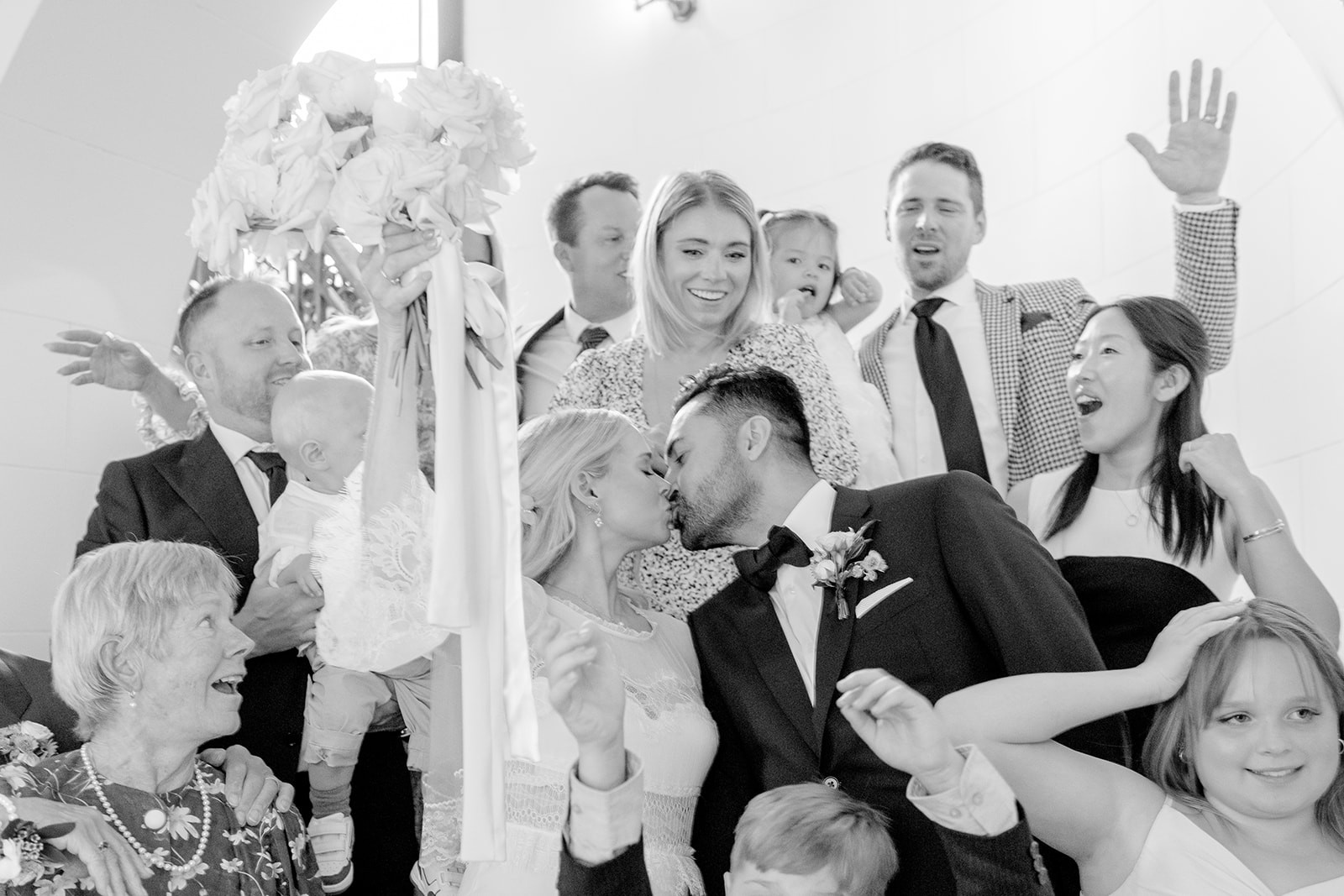
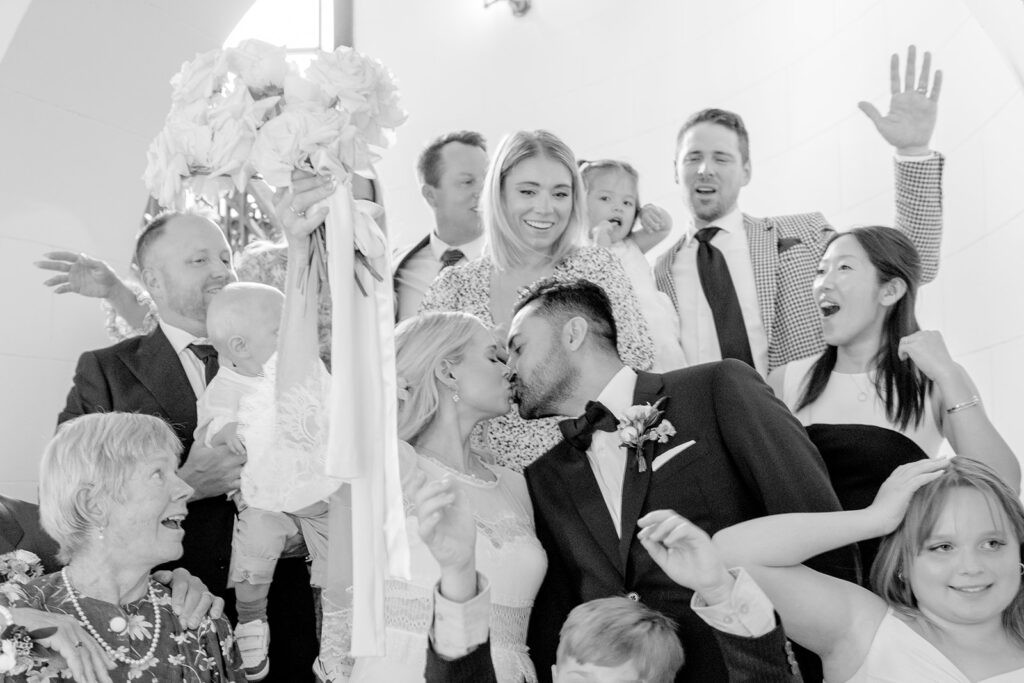
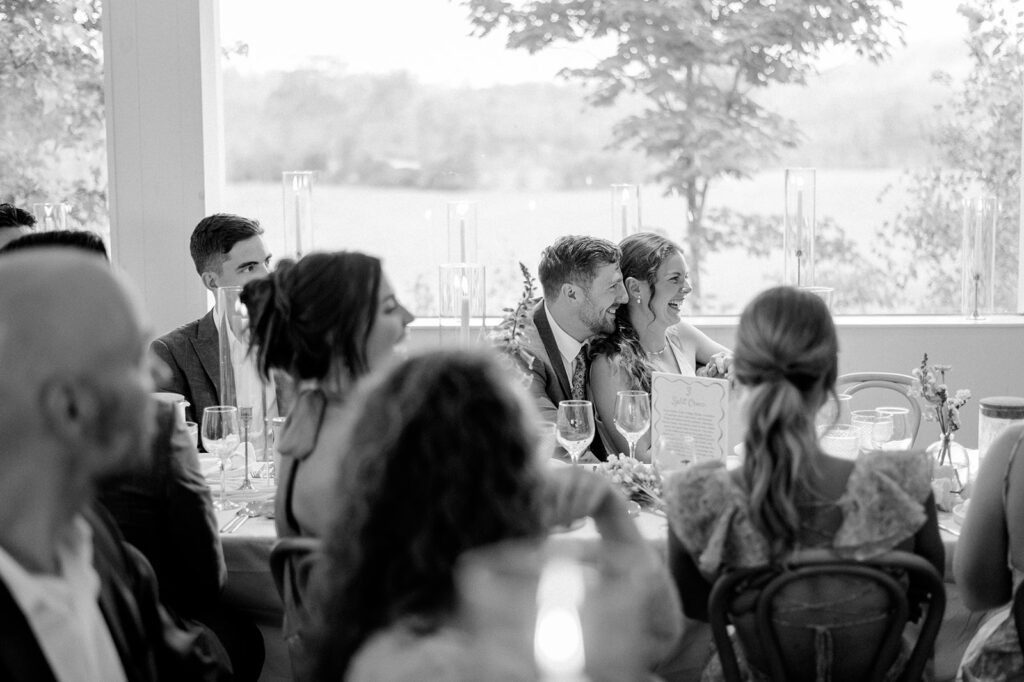
- Documentary / Photojournalistic: This approach is about observation over direction. The photographer acts as a witness, capturing the honest layout of a room, unprompted laughter, and raw emotion as it happens. It preserves the day exactly as it felt to live it.
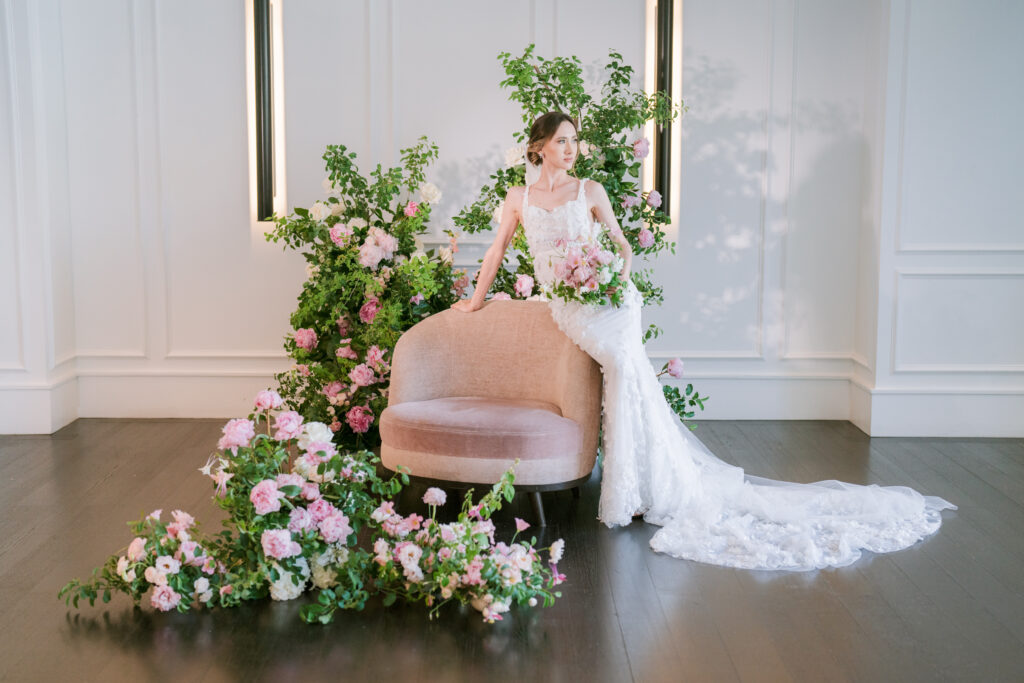
- Editorial: Inspired by high-end publications, this style introduces a sense of quiet poise. It focuses on thoughtful framing, effortless posture, and a clean sense of design. It brings a refined eye to portraits and details without feeling over-staged.
- Fine Art / Cinematic: This perspective treats frames as deliberate pieces of art. It relies on a mastery of light, film-forward aesthetics, soft focus, and evocative compositions that feel timeless and atmospheric.
Looking Beyond the Grid
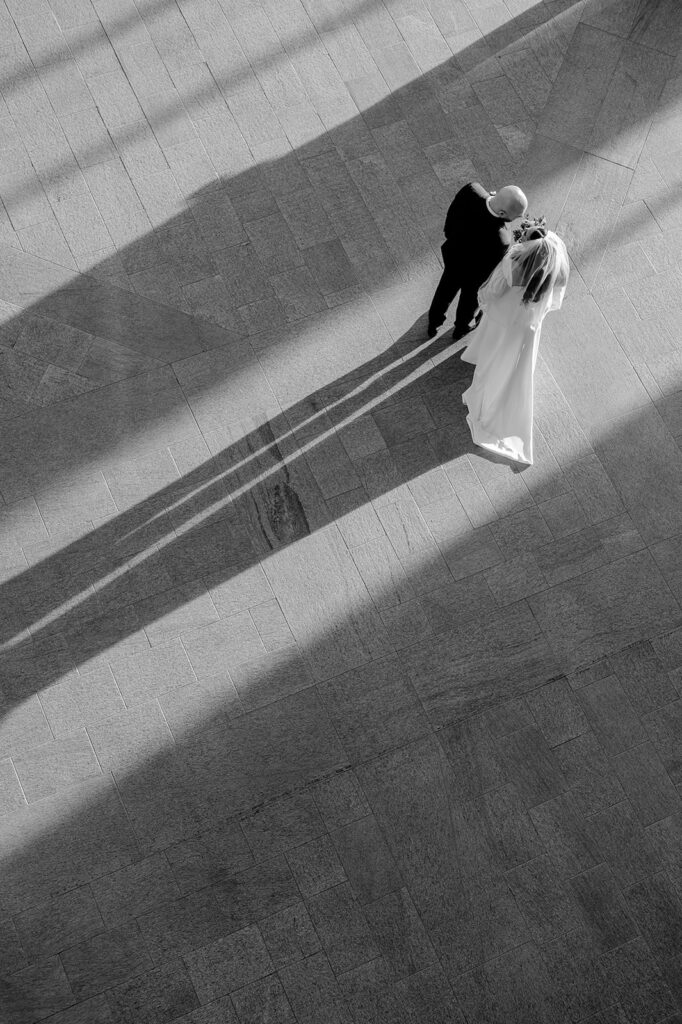
Instead of trying to fit your wedding into a singular category, you might find it helpful to look closely at how a photographer composes an image. What is their actual artistic eye?
These days, modern cameras and great presets make technically sharp, in-focus images the industry baseline. The editing is easier than ever with presets and profiles you can purchase and train on ai-editing software. True artistry lies in the nuances—how they capture subtle shifts in light, the quiet space between moments, and the depth of real human connection. Knowing how to colour grade skin tones and which lighting to use to keep the mood of the day the most authentic to your story. Pay attention to the moments they choose to add to their portfolio and how they curate their work. Do those specific selections speak to you? A portfolio is a reflection of what a photographer values most; if their curated frames resonate with your definition of a meaningful moment, you are likely looking at the right lens. You can often see this philosophy come to life best by exploring a photographer’s real wedding stories rather than just a curated grid.
Many portfolios include editorial work and it is easy to spot the difference for me, but as a couple – how can you discern between what is staged and what is real? The first thing would be a disclaimer or if it’s noted
How Do You Choose a Wedding Photographer Based on Value and Experience?
There is a noticeable difference between someone who simply operates a camera and a true wedding photographer. An exceptional professional successfully balances artistic depth, technical mastery, business acumen, and actual hospitality.
It is completely valid to approach this search with a bit of healthy skepticism. The wedding space is filled with incredible, dedicated creators doing magnificent work, but there are also individuals driven primarily by ego or transaction. That is no secret and I find it difficult to write this for fear of anyone seeing this as abandoning my fellow vendors. The truth is, if we don’t call out the bad behaviour then clients’ experiences will suffer and our integrity as an industry will be compromised.
A Mutual Conversation
Professionals who operate with deep integrity have a profound respect for the gravity of your milestone. Because of that, the hiring process goes both ways. A seasoned photographer is looking for alignment just as much as you are, seeking clients who connect with their visual philosophy and share a mutual vision. That comfort and compatibility are what create an exceptional experience.
When you are looking at a portfolio, consider the layers of skill required to handle a live event seamlessly:
- The Depth of an Artist: A creator who can read a room, blend into your crowd, and make your guests feel entirely at ease. They possess a passion for the work that goes far beyond a transaction.
- The Foresight of Experience: Longevity brings a quiet confidence. An experienced professional anticipates moments before they happen, handles shifting lighting with ease, and knows how to guide a room without disrupting the energy of the celebration.
- The Foundation of Hospitality: I believe that Wedding photography is firmly rooted in service. A great photographer prioritizes your peace of mind, demonstrating easy communication, reliability, and a grounded presence from the first email to the final gallery delivery. They are there to protect your experience, too.
How Should You Navigate Wedding Planner Recommendations?
As you assemble your team, you will likely rely on recommendations from your wedding planner. Trusting your planner’s network is a wonderful starting point, but understanding how the industry operates behind the scenes helps keep things transparent.
Understanding Referrals
Many planners curate preferred lists based entirely on past successes, creative synergy, and a deep respect for a photographer’s work ethic. Other segments of the industry utilize commission-based referral structures. Neither model is inherently wrong, but knowing both exist allows you to approach recommendations with clarity and ask open, honest questions about how your team is being built. I do believe that the latter model should be disclosed to the client.
Redefining the Initial Meeting
The best way to assess a photographer is through a quick, direct conversation. When you meet, you can move past standard, logistical checklists and simply pay attention to how they speak.Take note of whether they are focused entirely on a template pitch, or if they are genuinely interested in how you want to experience the day. A seamless vendor dynamic is everything – when a photographer works hand-in-hand with an incredible team, it allows you to completely step back and simply live the day. You can see a beautiful example of this synergy in action in this feature on a celebration designed by a trusted local wedding planner.
How Do You Talk About Budget with a Wedding Photographer?
Because wedding photography is not a regulated industry, pricing varies wildly. When you run into portfolios and websites that feel a bit absent of distinct character or personal voice, it becomes very easy to view photography as a commodity and compare professionals solely on cost.
Approaching the discussion with mutual respect and a bit of context often opens doors that rigid transactions close.
A Thoughtful Approach to Budget Discussion
How Do You Talk About Budget with a Wedding Photographer?
Budgets are a real, essential part of planning a wedding. However, pricing extends far beyond a set number of hours on-site. You are investing in an artist’s taste, consistency under pressure, high-stress management, and the rare ability to deliver beautiful results when there are no do-overs.
As my colleague Jeremy Chou shared in a recent industry conversation, talking about budgets doesn’t have to be awkward, but the way you approach it matters. When a photographer’s rate is higher than your initial allocation, leading with a lower quote from another studio rarely moves the conversation forward—it reduces a potential creative partnership down to comparison shopping without the context of their specific expertise.
Instead, a collaborative approach is simply to be upfront, specific, and human:
- Be Transparent: Share your actual investment parameters honestly from the beginning.
- Articulate Your Connection: Express exactly why their specific artistic eye aligns with your vision.
- Provide Context: Mention your venue, destination, or the other creative team members you have secured
- Inquire About Scope: ask if there is room to adjust deliverables or hours to align the investment.
Most established photographers have a mental list of celebrations they feel creatively compelled to document—whether that involves a unique venue, a planner they love collaborating with, or a couple whose values deeply align with their own. While this doesn’t guarantee flexibility, approaching the conversation with mutual respect honors the craft and establishes a beautiful foundation for working together.
Trusting Your Instincts Over Wedding Trends
Trends are a natural part of visual history; your photographs will always beautifully reflect the era in which you married. Embracing a current aesthetic is wonderful if it resonates with your personal style. The misstep occurs when adopting a trend solely because you feel like you have to.
Before committing to a specific visual choice, you might want to ask yourself: Does this choice reflect who we are, or are we executing someone else’s checklist?
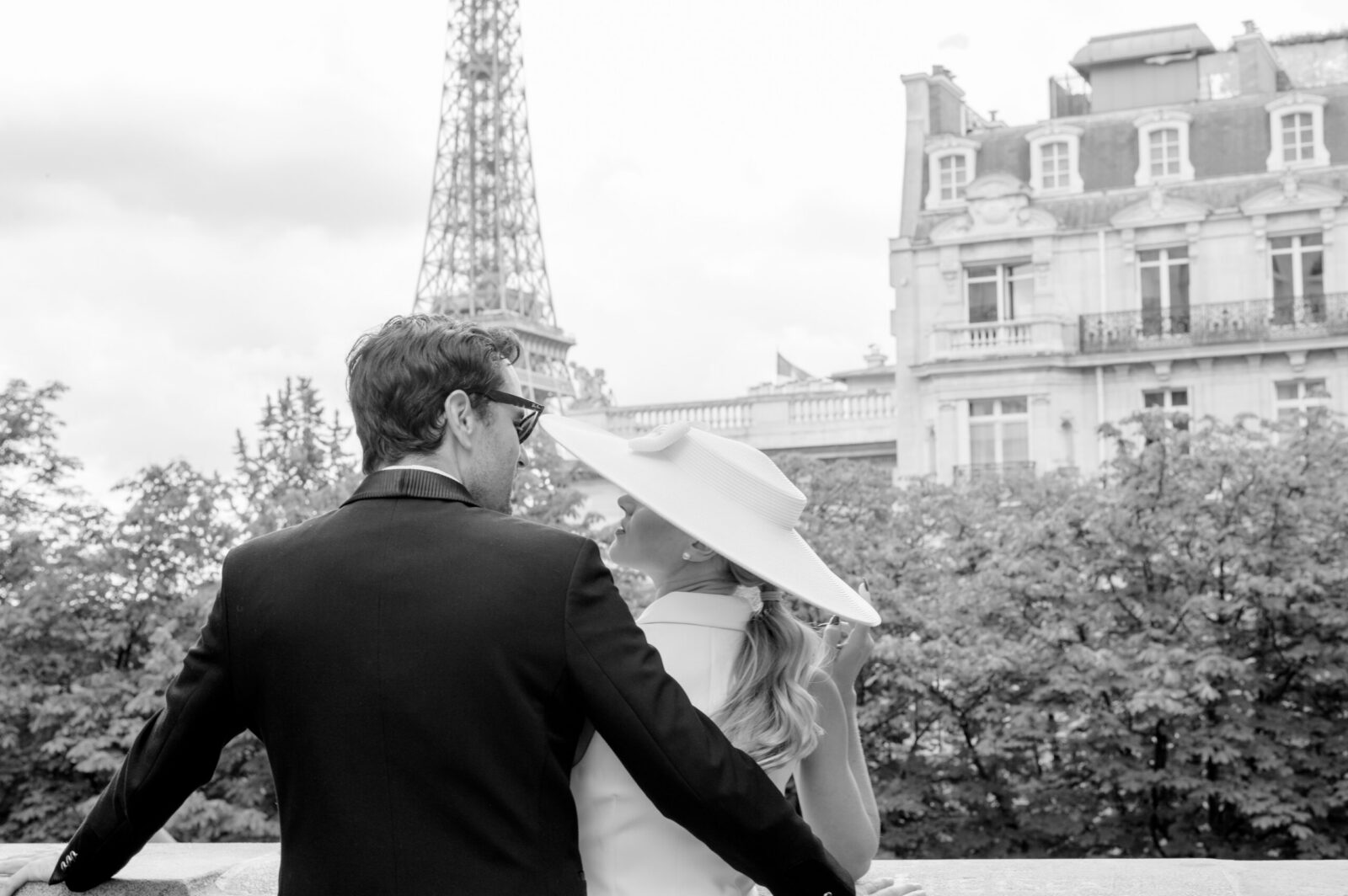
Whether you choose to get ready in the quiet comfort of your childhood home or inside a contemporary hotel suite, every decision should feel true to your lifestyle. Your choice of surroundings should ground you, whether you are hosting an intimate celebration at a modern gallery like an Ottawa Art Gallery wedding or planning a multi-day destination event like a celebration in Paris.
When you select a photographer who aligns with your worldview, they will translate your day into an authentic, living history that allows you to relive the exact feeling of your celebration for generations to come.