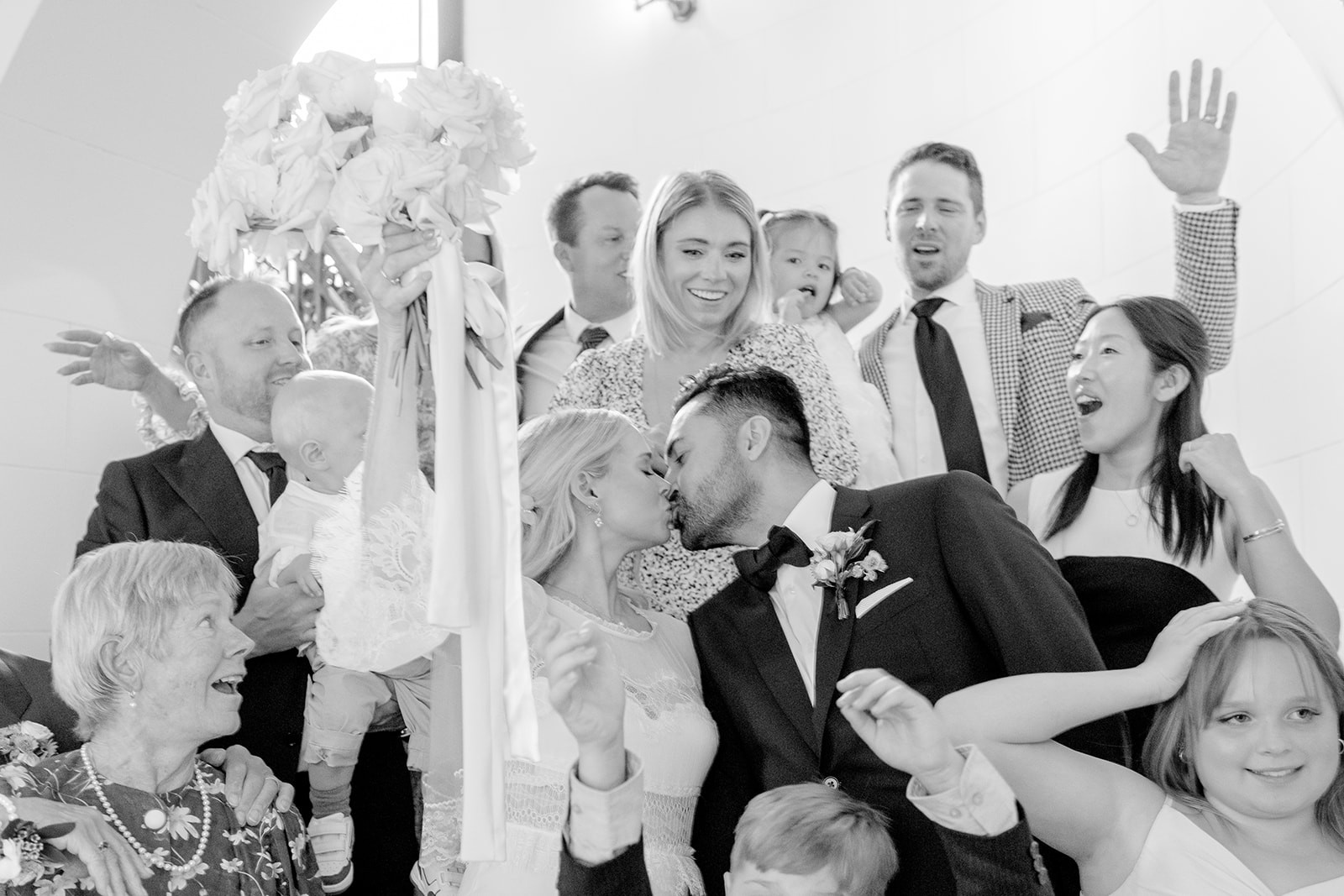
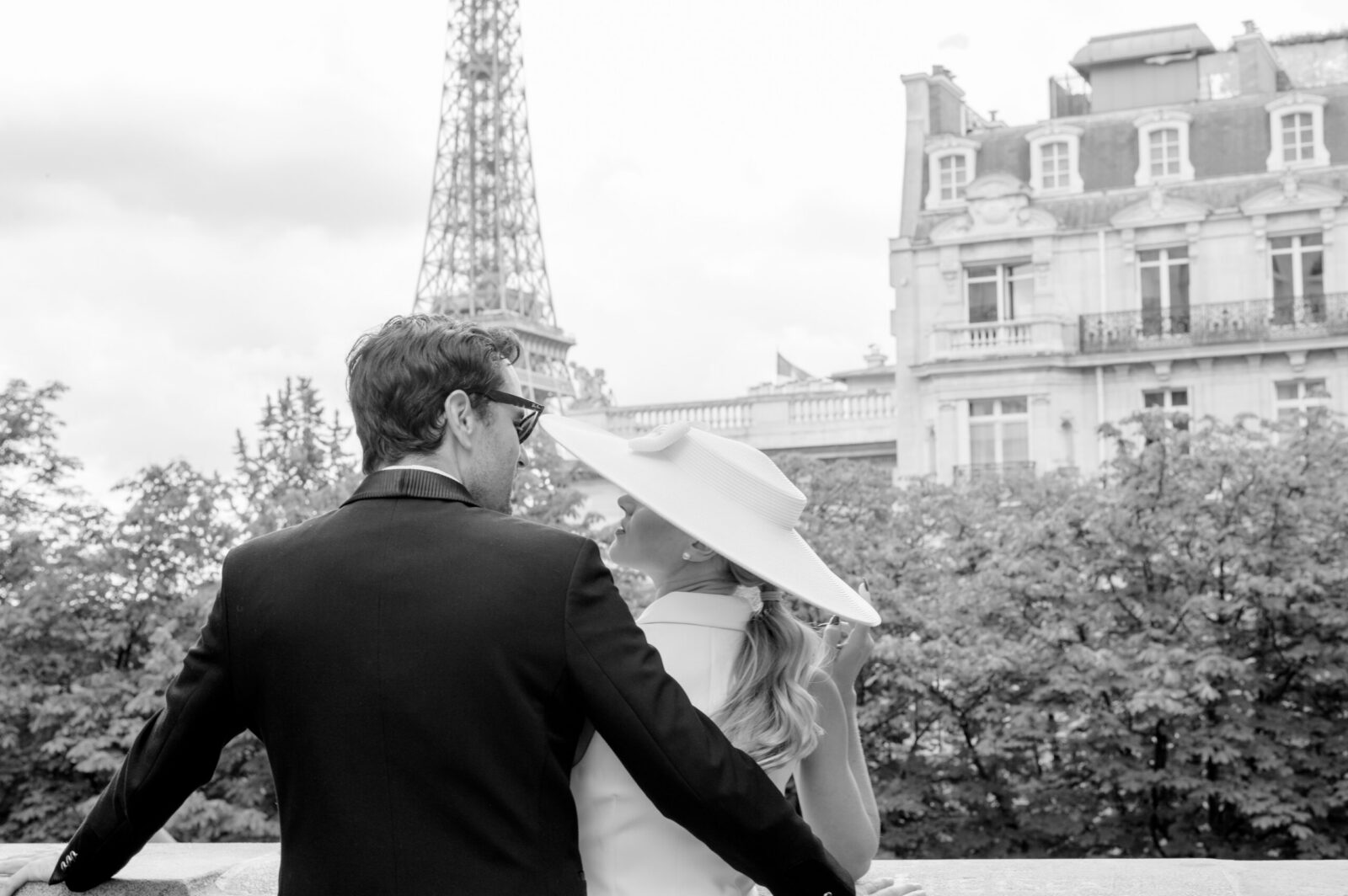
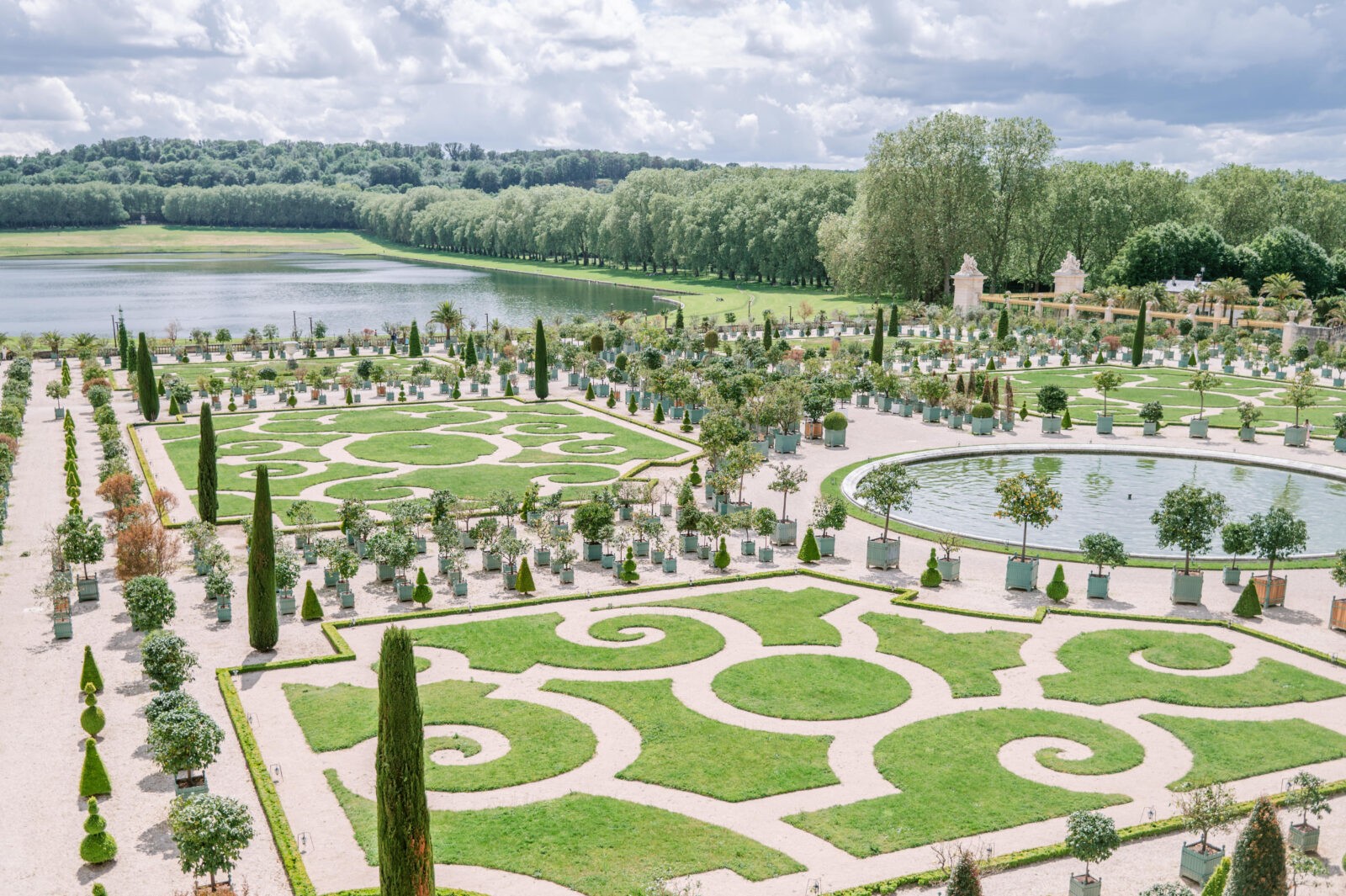
There’s something about France that draws people in differently. Maybe it’s the history woven into the architecture, the slower pace of long dinners outdoors, or the feeling that celebrations there are experienced more deeply rather than rushed through. It invites you to pause, breathe, and actually live in the moment.
But planning a wedding abroad-especially in another language-can also feel intimidating at first. You might wonder if your vision will get lost in translation, or how you’ll manage timelines from thousands of miles away.
The good news? A destination wedding in France is incredibly accessible for English-speaking couples. With the right approach and a team that understands how to bridge the gap between North American expectations and French wedding traditions, the planning process can feel just as intentional as the celebration itself.
Why So Many Couples Choose France for Their Destination Wedding
When you choose a destination wedding in France, you aren’t just booking a venue; you’re hosting a multi-day immersive travel experience for the people you love most.
Unlike traditional single-day events, a France wedding naturally lends itself to a relaxed, weekend-long affair. It begins with welcome drinks at a local bistro, moves into an unforgettable wedding day, and wraps up with a lazy poolside recovery brunch.
France offers an unparalleled canvas for these memories. Whether you are drawn to historic châteaux with centuries of stories woven into their stone walls or manicured gardens made for dining under the stars, the backdrops here are timeless. Pair that architectural grandeur with a world-renowned food, wine, and hospitality culture, and your wedding becomes a deeply felt celebration rather than a performative event.
Paris vs Provence vs Beyond – Choosing the Right Setting for Your Wedding
Most international couples find themselves torn between two iconic, yet entirely distinct, regions for their France wedding planning-the editorial elegance of the capital or the sun-drenched romance of the south. However, several other breathtaking regions offer settings tailored to different aesthetics.
Why Couples Choose Paris
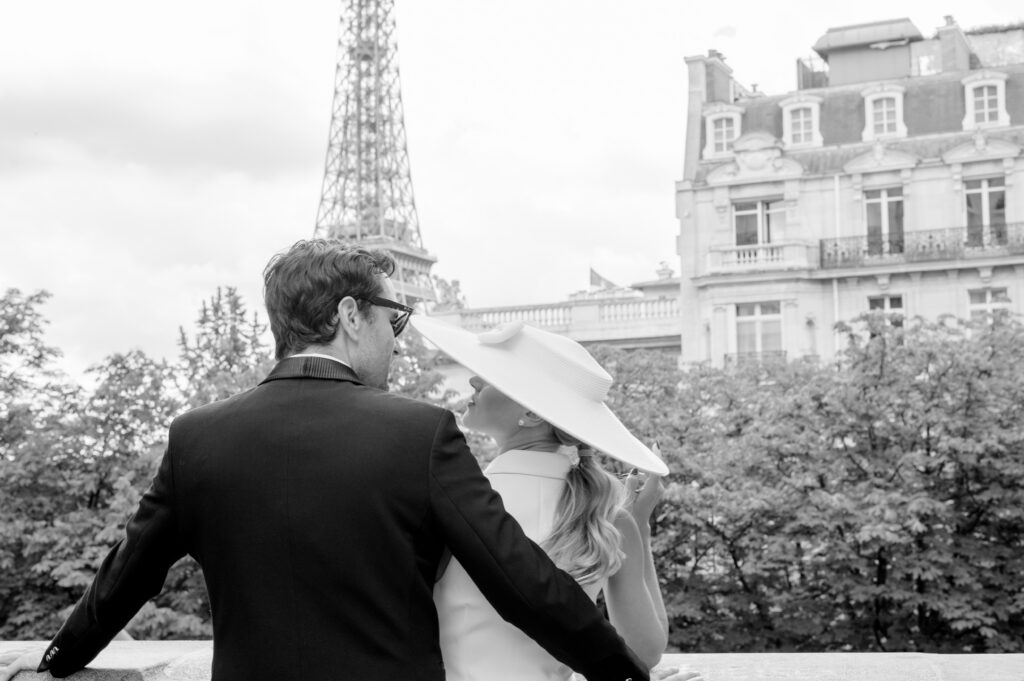
Paris is the ultimate destination for fashion-forward, sophisticated, and intimate celebrations. A Paris destination wedding feels naturally chic, offering an editorial aesthetic against iconic urban backdrops.
The Vibe: High fashion, historic elegance, and effortless city romance.
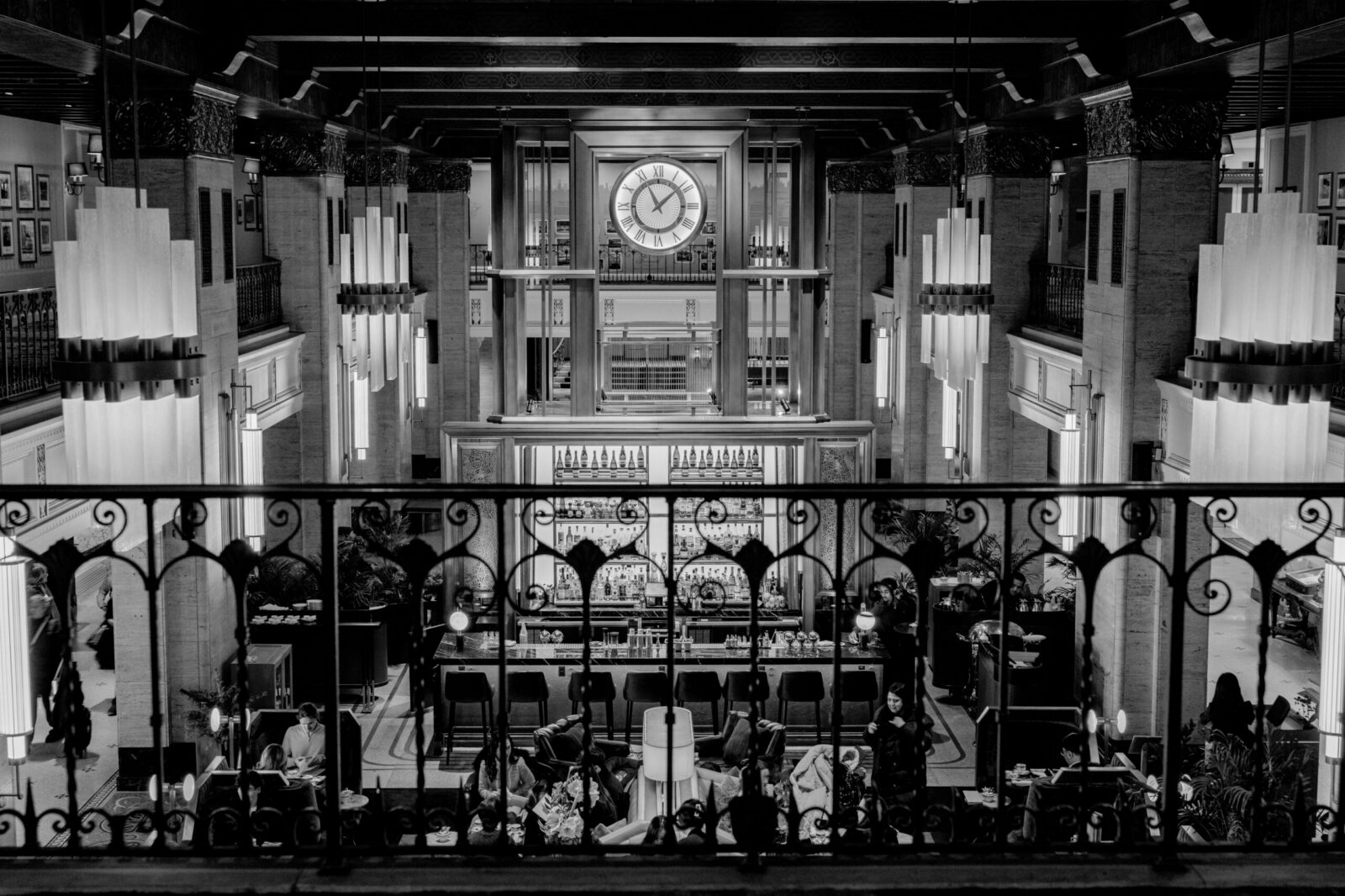
The Venues: Think grand hotels like Le Meurice, private salons near Place Vendôme, or intimate rooftop terraces overlooking the Seine.
The Perks: Exceptional international accessibility for your guests and a seamless transition into a refined wedding weekend filled with museum visits, world-class dining, and shopping.
Why Couples Choose Provence
If your dream involves a slower pace, open skies, and dining al fresco at a single long table under fairy lights, a Provence wedding is calling your name.
The Vibe: Earthy elegance, relaxed romance, and a sensory experience.
The Venues: Sprawling countryside estates, private vineyards, and historic stone châteaux surrounded by olive groves.
The Perks: Perfect for larger, immersive wedding weekends where guests stay together on-site. If you time it right during the summer, you’ll also get the breathtaking backdrop of lavender season.
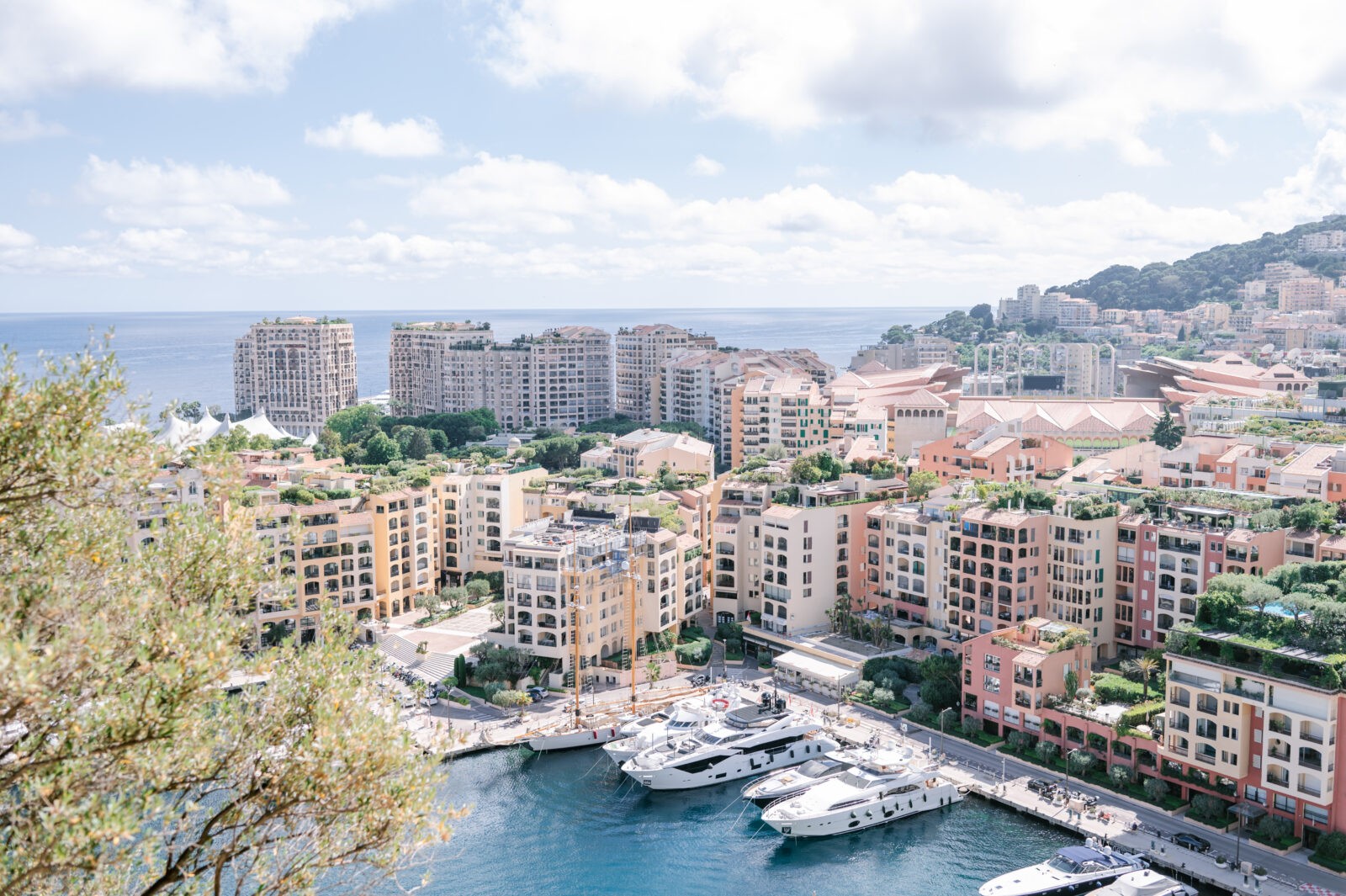
Exploring Other Distinct French Regions
Loire Valley
The ultimate destination for a fairytale château wedding. Known as the “Garden of France,” the Loire Valley is famous for its grand Renaissance architecture, sprawling vineyards, and majestic riverside estates.
Bordeaux
Ideal for wine lovers and history enthusiasts. A Bordeaux wedding combines world-class gastronomy with stately wine estates (domaines) and beautiful classic architecture, offering a highly refined estate experience.
Normandy
Perfect for couples seeking dramatic coastlines, historic manor houses, and lush, green countrysides. Normandy provides an incredibly romantic, slightly moody backdrop with old-world charm.
Giverny
Known globally for Claude Monet’s home and gardens, a Giverny wedding or nearby celebration offers an enchanting, artistic aesthetic filled with impressionistic gardens, water lilies, and intimate charm.
Ease of Travel: Connecting Your Guests via CDG
One of the most practical reasons France is an ideal destination is its unparalleled travel logistics. Paris Charles de Gaulle Airport (CDG) is a premier global aviation hub, operating direct flights from over 110 countries and serving more than 280 worldwide destinations daily.
Whether your guests are flying in from major North American hubs like New York, Toronto, or Los Angeles, or joining from other continents, they can easily secure non-stop travel. From CDG, France’s high-speed rail network (TGV) connects travelers directly to regions like the Loire Valley, Bordeaux, or Provence (via Avignon) in just a few hours, making the journey seamless for your loved ones.
Do You Need to Speak French to Plan a Wedding in France?
The short answer is no-but understanding how the local industry works makes all the difference. You don’t need to speak fluent French yourself, but you want to collaborate with vendors who understand the language and, more importantly, the distinct working culture of French venues and teams.
Many wedding venues and coordinators in France work fluently in English because they cater to global clients. However, cultural differences matter much more than language barriers. France values hospitality, craftsmanship, and intentionality with its own unique pacing. Communication rhythms can be slower, particularly over the summer months, and contracts or venue permissions may still occasionally appear partially in French.
Having a vendor team that understands these nuances-without expecting you to navigate them alone-is what makes the planning experience smooth and genuinely enjoyable.
Why Hiring the Right Planner Matters So Much
If there is one essential element for an overseas wedding, it’s a specialized destination wedding planner. A planner who is intimately familiar with both international client expectations and the realities of French wedding culture is invaluable.
Your planner acts as your advocate and boots-on-the-ground partner. They will:
- Navigate local vendor networks and clarify contracts.
- Manage timelines across different time zones.
- Translate your design expectations accurately to local florists and production teams.
- Coordinate guest logistics, from group transportation to accommodation blocks.
Building a Vendor Team That Understands International Couples
Beyond your planner, your vendor team-your caterers, florists, hair and makeup artists, and entertainment-shapes the atmosphere of your day. When vetting your team, prioritize their communication style, responsiveness, and specific experience with destination events.
When it comes to documenting your story, choosing a photographer who understands both the effortless romance of European light and the specific flow of a destination wedding is key. Working with an international wedding photographer who shares your language and cultural background means your expectations for timelines, key moments, and final imagery are perfectly aligned from day one, allowing you to relax completely into the experience.
Will You Be Forced to Adhere to French Wedding Traditions?
A common worry for North American couples is whether getting married abroad means they have to adopt local customs, like three-hour dinners or a lack of strict timelines.
The short answer is absolutely not. This is your wedding, and you can structure your day to feel familiar, crisp, and organized.
However, because you are working with local venues and catering teams, it helps to understand where the natural friction points lie so you can plan around them:
The Dinner Pace: French catering teams view dinner as an experience, not just a meal breakdown. A traditional multi-course French meal is served deliberately, which can take upward of three hours. If you prefer a faster, North American-style pacing to get straight to the dancing, this simply needs to be explicitly communicated and written into your vendor contracts early.
The Timeline Structure: While local execution can sometimes feel more relaxed, you do not have to abandon an exact timeline. By hiring a planner who understands North American scheduling and a professional vendor team, you can maintain a structured itinerary while still leaving room to breathe.
The Party Hours: One tradition you might actually want to embrace is the timing. In France, venue curfews are often much later than in North America, with many properties allowing music and dancing to continue until 4:00 AM or 5:00 AM.
What Guests Should Expect at a Wedding in France
Preparing your guests for what to expect is one of the best ways to ensure they have an incredible time. Giving them a quick heads-up on the general flow helps everyone settle in:
Later Timelines: Ceremonies often start later in the afternoon (around 4:00 PM or 5:00 PM) to escape the midday heat, rolling straight into a generous, sunlit cocktail hour (l’apéritif).
Leisurely Dining: Dinner is often a multi-course, intentional experience filled with wine, conversation, and speeches spaced between courses. Even a modified timeline will feel beautifully unhurried.
An Immersive Experience: Guests often leave feeling like they didn’t just attend an event, but truly shared a deeply personal travel experience with you.
Tips for Making the Planning Process Feel Easier
- Plan Further Ahead: Secure your priority venue and planner 12 to 18 months in advance, especially if you are eyeing peak summer dates in Paris or Provence.
- Prioritize Guest Communication: Build a detailed wedding website early. Include travel tips, airport options (like taking the TGV train from Paris down to Avignon for Provence), dress codes, and a rough itinerary of the weekend.
- Visit if Possible: If your schedule allows, plan one trip to France about 6 to 9 months before the wedding for your menu tasting, hair and makeup trial, and a final venue walkthrough.
- Build Buffer Days: Fly in at least three to four days before your first wedding event. Give yourself time to conquer jet lag, steam your wedding wardrobe, and welcome your early arriving guests with a clear head.
Why France Works So Beautifully for Intentional Wedding Weekends
When you bring your favorite people across an ocean to celebrate your marriage, you are doing something incredibly intentional. You are stripping away the noise of a traditional wedding and replacing it with shared meals, travel memories, and deep family connection in a timeless, historic setting.
Years from now, you won’t only remember the exact floral arrangements or the specific shade of the linens. You will remember how the afternoon sun felt on your skin during your vows, the sound of glasses clinking across a candlelit courtyard, and the profound atmosphere of ease and joy that surrounded those days together.
Destination Wedding France: Frequently Asked Questions
Can foreigners legally get married in France?
Getting legally married in France can involve significant paperwork for non-residents, as French law requires a mandatory civil ceremony at the local town hall (La Mairie), which often carries strict residency requirements. Because of this, the vast majority of international couples choose to take care of the legal paperwork in their home country beforehand and host a beautiful, deeply personalized symbolic ceremony in France.
Is Paris or Provence better for a destination wedding?
It entirely depends on your style. Choose Paris if you want a chic, fashion-forward, urban celebration with classic architecture and easy travel logistics. Choose Provence if you want a relaxed, sun-drenched, multi-day countryside experience centered around nature, outdoor dining, and a slower pace of life.
How much does a wedding in France cost?
The investment varies wildly depending on the guest count, venue choice, and region. While an elopement or micro-wedding in Paris can be streamlined, a full-scale destination weekend for 80+ guests at a private château or a historic hotel typically requires a budget tailored for a completely custom event experience.
When should we start planning a France wedding?
Ideally, you should start planning 12 to 18 months in advance. This gives your international guests plenty of time to book flights and accommodation. However an experienced planning team can execute a flawless wedding plan in less time – I will say they surely appreciate having a longer lead time.
How many days should guests stay for a destination wedding in France?
Most destination celebrations span 3 days, but these do not have to fall on a weekend. Because your loved ones are traveling internationally, they are already taking time off work, making mid-week wedding itineraries (like a Tuesday through Thursday block) incredibly popular. Mid-week events often unlock better venue availability and smoother travel logistics. A typical flow includes a welcome event on day one, the wedding celebration on day two, and a casual recovery brunch or pool party on day three before guests continue their travels.